
Super powerful and fast shipping!!! Very happy with this order.
My 5th one. I love these guys. Can’t wait till they restock.
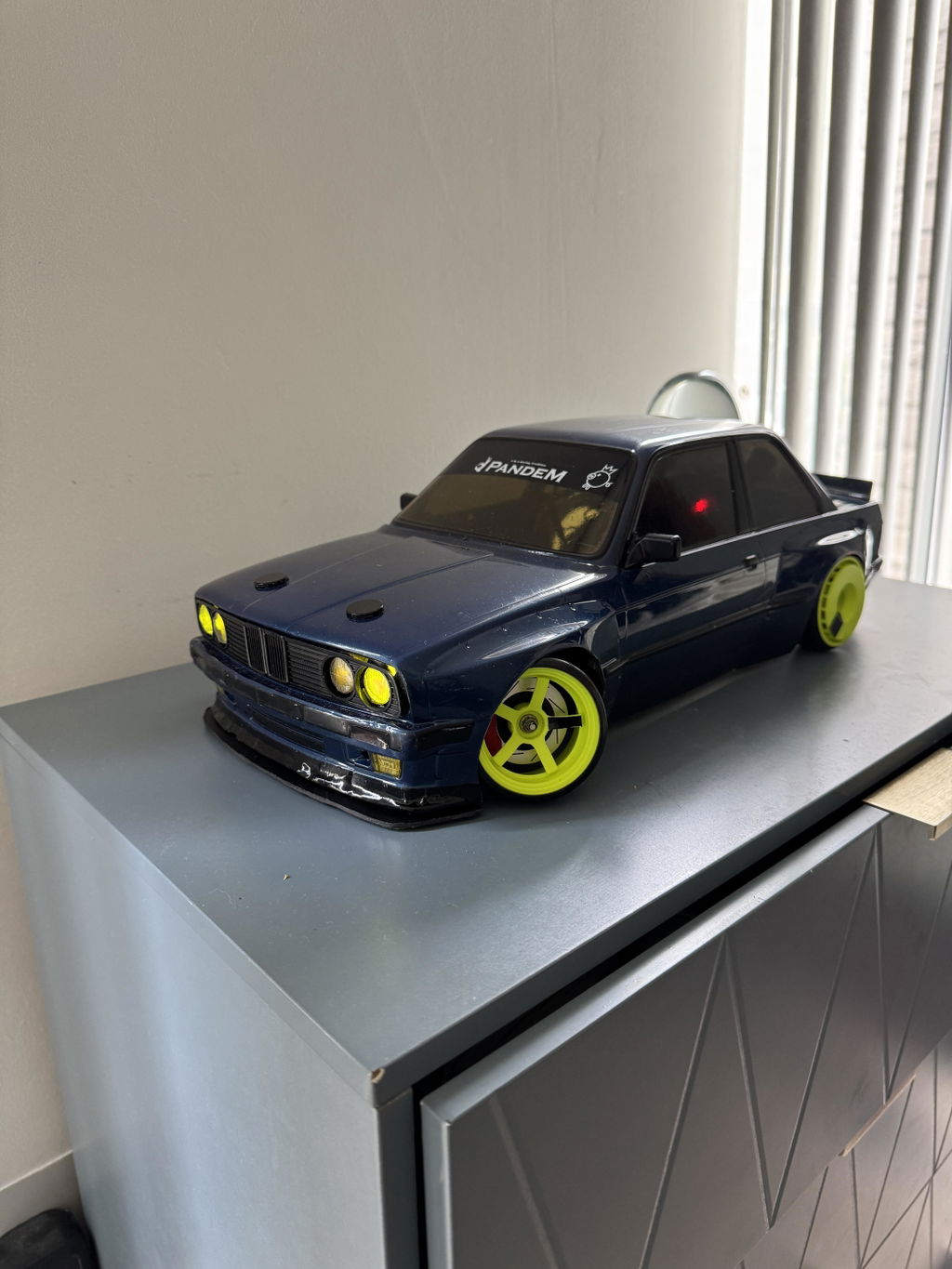
great motor! superb service from drift manji

Indoor RC drift track in Liversedge - Open to all skill levels.
RC drift wheels and tyres have a major impact on how a car feels, slides, and responds on track. Unlike RC racing, where grip is the priority, RC drifting relies on controlled traction loss and predictable slide behaviour.
For beginners, choosing the right wheels and tyres makes learning significantly easier. This guide explains RC drift wheels and tyres in simple terms, covering tyre compounds, wheel sizes, offsets, and how to match them to your driving surface.
Wheel choice is not just about looks, wheel offset and width have a major impact on handling.
If you’re new to RC drifting overall, we recommend starting with our Beginner’s Guide to RC Drift Cars before diving deeper into setup details.
Wheels and tyres directly affect grip level, consistency, steering response, and how easily the car holds angle. A poor tyre choice can make even a well built drift car feel unpredictable or difficult to control.
In RC drifting, tyres are designed to slide smoothly rather than grip aggressively. Wheel specifications then fine tune track width, stance, and steering geometry.
RC drift tyres use harder compounds than racing tyres. Instead of maximising traction, they are engineered to break grip consistently and recover smoothly during transitions.
This predictable loss of traction is what allows controlled drifting at low speeds.
Different compounds are designed for different surfaces:
Using the wrong compound for your surface is one of the most common beginner mistakes.
You can browse available options in our RC Drift Tyres collection.
Most 1/10 scale RC drift wheels use a standard diameter, but widths can vary. Wheel width affects tyre profile, contact patch, and overall handling feel.
Wider wheels can offer more stability, while narrower wheels tend to feel more responsive.
Offset determines how far the wheel sits in or out from the hub. In RC drifting, offset affects:
Adjustable offset wheels are popular because they allow fine tuning without changing suspension components.
You can explore available options in our RC Drift Wheels collection.
Surface choice plays a major role in tyre and wheel selection.
Matching tyres correctly reduces spin outs, improves consistency, and makes learning far more enjoyable.
For beginners, consistency matters far more than maximum performance.
Avoiding these mistakes will significantly shorten the learning curve.
If you’re new to RC drifting, good starting points include:
Our Best Sellers collection highlights wheel and tyre options commonly chosen by beginners.
Wheels and tyres work together with suspension, electronics, and chassis geometry. Once you understand how tyre compounds and wheel offsets affect handling, fine tuning becomes far more intuitive.
For a deeper understanding of how electronics influence drift control, continue with our RC Drift Electronics Guide for Beginners.
Be the first to know about new collections and exclusive offers.
Super powerful and fast shipping!!! Very happy with this order.
My 5th one. I love these guys. Can’t wait till they restock.
Nice simple set
great motor! superb service from drift manji