
Super powerful and fast shipping!!! Very happy with this order.
My 5th one. I love these guys. Can’t wait till they restock.
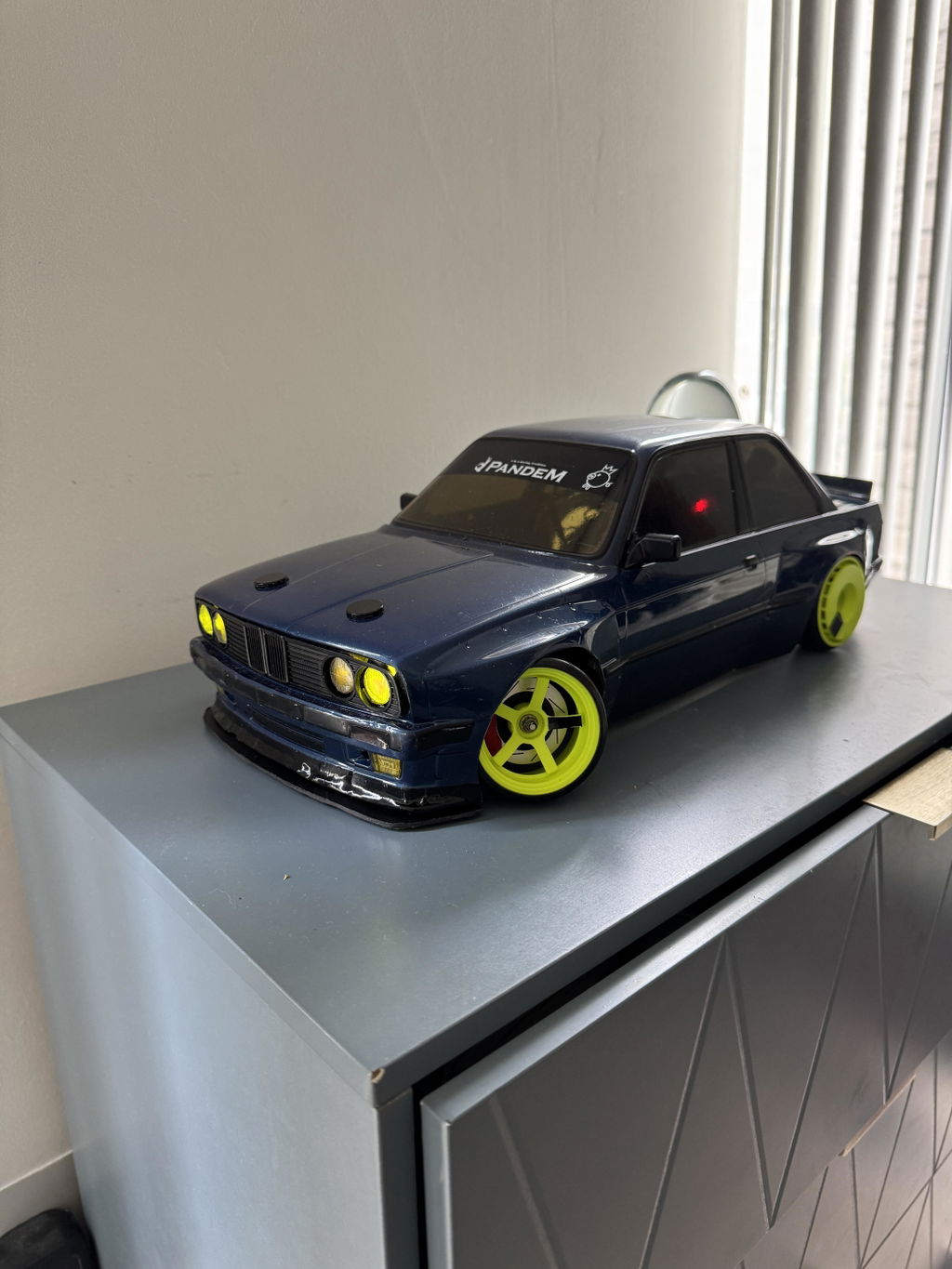
great motor! superb service from drift manji

Indoor RC drift track in Liversedge - Open to all skill levels.
RC drift electronics play a critical role in how a car feels, responds, and behaves on track. Unlike RC racing, where outright speed is often the goal, RC drifting prioritises smooth throttle control, precise steering, and consistent behaviour during slides.
For newcomers, understanding RC drift electronics can feel overwhelming at first. This guide explains each component in clear, beginner friendly terms and shows how they work together to create a controllable and enjoyable RC drift setup.
If you’re completely new to the hobby, we recommend starting with our Beginner’s Guide to RC Drift Cars, which explains the fundamentals before diving into individual components.
A typical RC drift car uses several key electronic components, each responsible for a specific part of vehicle control:
While all RC cars use similar electronics, drift specific setups are chosen for smoothness, predictability, and fine control rather than raw speed or acceleration.
The motor and electronic speed controller (ESC) work together to control throttle response and power delivery.
For RC drifting, smooth and predictable throttle control is far more important than top speed. A setup that delivers power progressively makes it easier to hold angle, transition between corners, and avoid sudden loss of control.
Many beginners struggle because they choose overly powerful or aggressive electronics early on. A well matched motor and ESC designed for drift will make learning significantly easier.
You can explore suitable options in our RC Drift Motors & ESCs collection.
A steering gyro is one of the most important components in modern RC drifting. It helps stabilise the rear of the car during slides by automatically correcting steering inputs.
For beginners, a gyro:
Most experienced drift drivers consider a gyro essential, especially when learning. Skipping this component often leads to frustration and inconsistent handling.
You can find suitable options in our RC Drift Gyros collection.
The steering servo controls how quickly and accurately the front wheels respond to inputs. In RC drifting, servo performance has a major impact on control during transitions and sustained slides.
Using a slow or imprecise servo can make even a well set up drift car feel unpredictable. Choosing a quality servo early on improves confidence and consistency while learning.
Browse available options in our RC Servos collection.
The radio system is your primary connection to the car. In RC drifting, the ability to fine tune steering response is extremely important.
A good radio system allows you to:
Beginners do not need overly complex radios, but having basic adjustment options makes a noticeable difference when learning controlled driving techniques.
You can explore available options in our RC Radio Gear collection.
For those just starting out, a balanced and reliable electronics setup will always outperform an aggressive, high power build.
Focusing on consistency rather than speed helps build good driving habits and makes progression more enjoyable.
Our Best Sellers collection highlights electronics and components commonly chosen by both beginners and experienced RC drift drivers.
Electronics form the foundation of how an RC drift car behaves. Choosing the right components from the start makes learning easier, reduces frustration, and allows skills to develop naturally. Electronics work best when paired with a stable chassis and properly tuned suspension.
Once you understand how motors, ESCs, gyros, servos, and radios work together, selecting the right setup becomes far more straightforward.
For a complete overview of RC drift cars, chassis types, wheels, tyres, and beginner setups, return to our Beginner’s Guide to RC Drift Cars, which ties everything together into a clear starting point for newcomers.
Be the first to know about new collections and exclusive offers.
Super powerful and fast shipping!!! Very happy with this order.
My 5th one. I love these guys. Can’t wait till they restock.
Nice simple set
great motor! superb service from drift manji