
Super powerful and fast shipping!!! Very happy with this order.
My 5th one. I love these guys. Can’t wait till they restock.
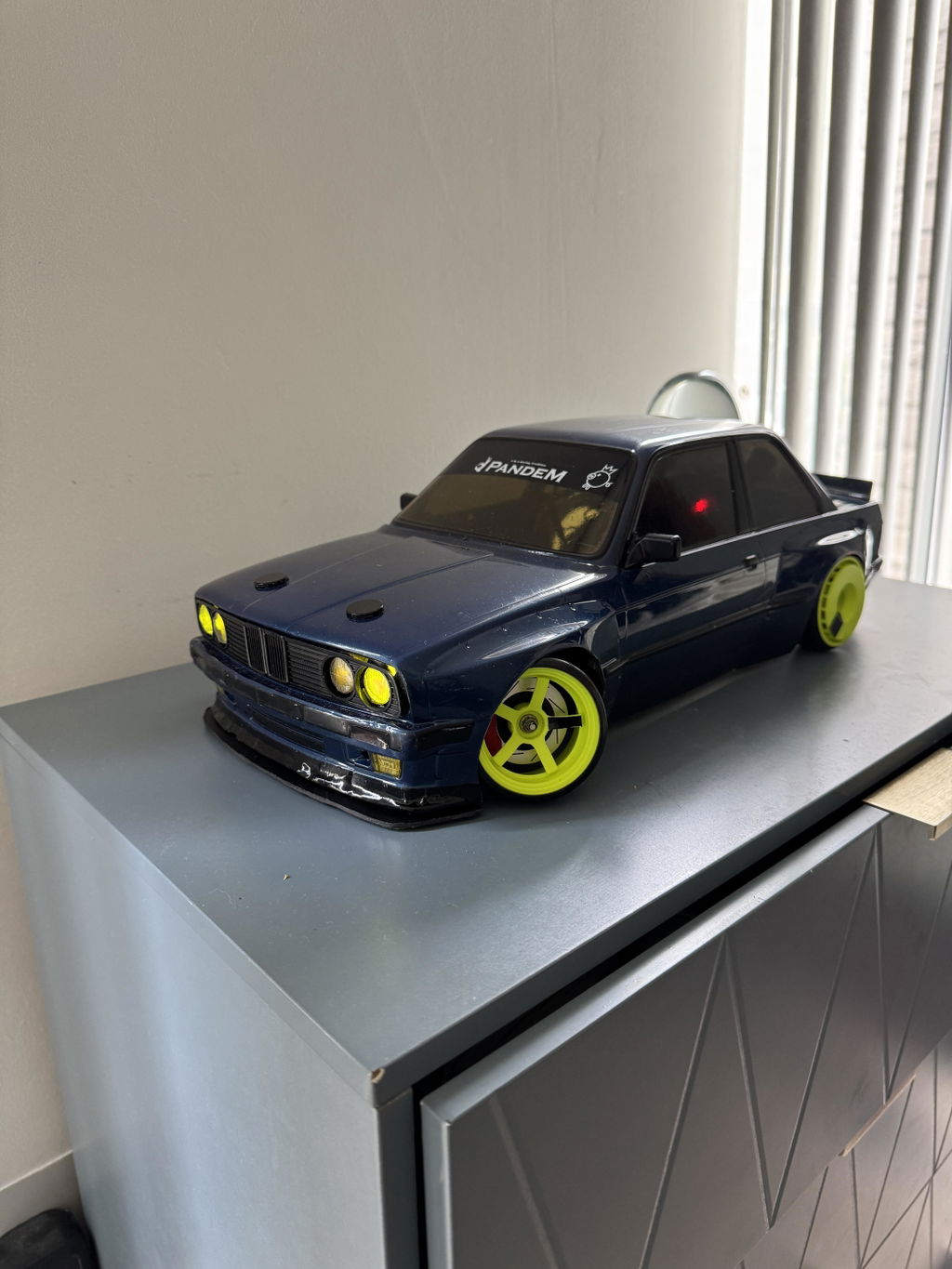
great motor! superb service from drift manji

Indoor RC drift track in Liversedge - Open to all skill levels.
The chassis and suspension form the foundation of how an RC drift car behaves. While electronics control how power and steering are delivered, the chassis and suspension determine balance, stability, and how smoothly the car transitions through corners.
For beginners, understanding chassis design and suspension basics helps avoid unnecessary upgrades and makes learning RC drifting far more consistent and enjoyable.
If you’re new to RC drifting overall, we recommend starting with our Beginner’s Guide to RC Drift Cars before diving deeper into chassis and suspension concepts.
The chassis is the main structural platform of an RC drift car. It determines drivetrain layout, weight distribution, suspension mounting points, and overall tuning potential.
In RC drifting, chassis design prioritises balance, steering angle, and predictable rear traction rather than outright speed.
Modern RC drifting is almost exclusively based on rear wheel drive chassis. RWD setups allow controlled oversteer, realistic drifting behaviour, and smooth transitions between corners.
RWD drift chassis are best suited to:
You can explore available options in our RC Drift Chassis Kits collection.
Weight distribution plays a major role in RC drift handling. Most drift chassis are designed with rear biased weight to promote traction at the driven wheels while keeping the front responsive.
Good balance helps:
For beginners, a neutral, factory balanced chassis is usually the best starting point.
Suspension controls how the chassis reacts to steering inputs, throttle changes, and surface imperfections. In drifting, suspension is tuned for smooth weight transfer rather than maximum grip.
Camber refers to the angle of the wheels relative to vertical. In RC drifting, negative camber helps maintain consistent tyre contact during slides.
Toe settings affect straight line stability and steering response. Mild front toe out is common in drift setups to improve turn in.
High steering angle allows the car to hold deeper drift angles without spinning. Most modern drift chassis are designed with extended steering angle as standard.
For beginners, consistency and predictability matter far more than aggressive tuning.
A simple, well balanced setup will outperform an over tuned chassis in the hands of a beginner.
If you’re new to RC drifting, good chassis and suspension starting points include:
Our Best Sellers collection highlights chassis and suspension components commonly chosen by beginners.
The chassis and suspension work together with electronics, wheels, and tyres to create a complete drift setup. Once the foundation is stable and predictable, fine tuning becomes far easier.
For a deeper understanding of how electronics influence control, continue with our RC Drift Electronics Guide for Beginners.
Once you’re comfortable with the basics, exploring proven RC drift chassis kits can help you progress with confidence.
Be the first to know about new collections and exclusive offers.
Super powerful and fast shipping!!! Very happy with this order.
My 5th one. I love these guys. Can’t wait till they restock.
Nice simple set
great motor! superb service from drift manji